 Send Inquiry
 Call Us :- 08071930310


 Send Inquiry
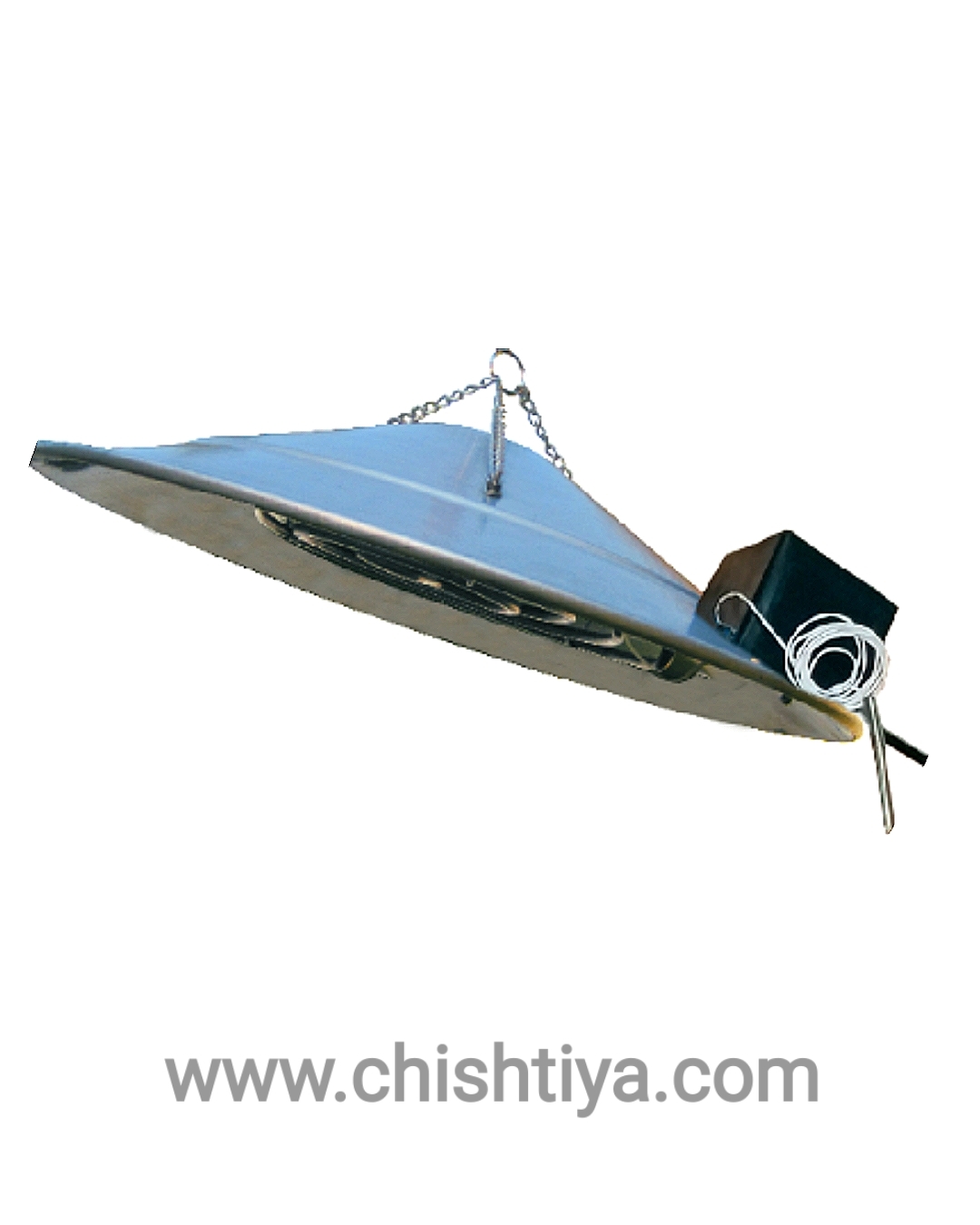
Electric Brooder-Standard
Price 2,475 INR/ Piece
MOQ : 100 Pieces, Piece
Electric Brooder-Standard Specification
- Type
- Electric Brooder-
- Material
- Steel
- Feeding System
- Brooding System
- Color
- Sliver
- Weight
- 400-1600 Grams (g)
Electric Brooder-Standard Trade Information
- Minimum Order Quantity
- 100 Pieces, Piece
- Supply Ability
- 10 Pieces, Piece Per Day
- Delivery Time
- Days
- Main Domestic Market
- All India
About Electric Brooder-Standard
Salient Features
The first indigenous Electric Brooders manufacturer in India
Economical in comparison with conventional brooding system
Precision engineered by the expert
Affordable price to even small farmers
Can be installed operated easily by any average operator
Tough infra red Tubular Heater for long lasting strength
All time uniform temperature
Easy maintenance
One year warranty from the date of purchase
Spares easily available on order
Fire proof wire connector use for safety
Heavy duty main chord used
Electric Shock Proof wiring Design
Technical Specification
Electricity Consumption Min 1 KvHr if auto Max 2 KvHr if continuous
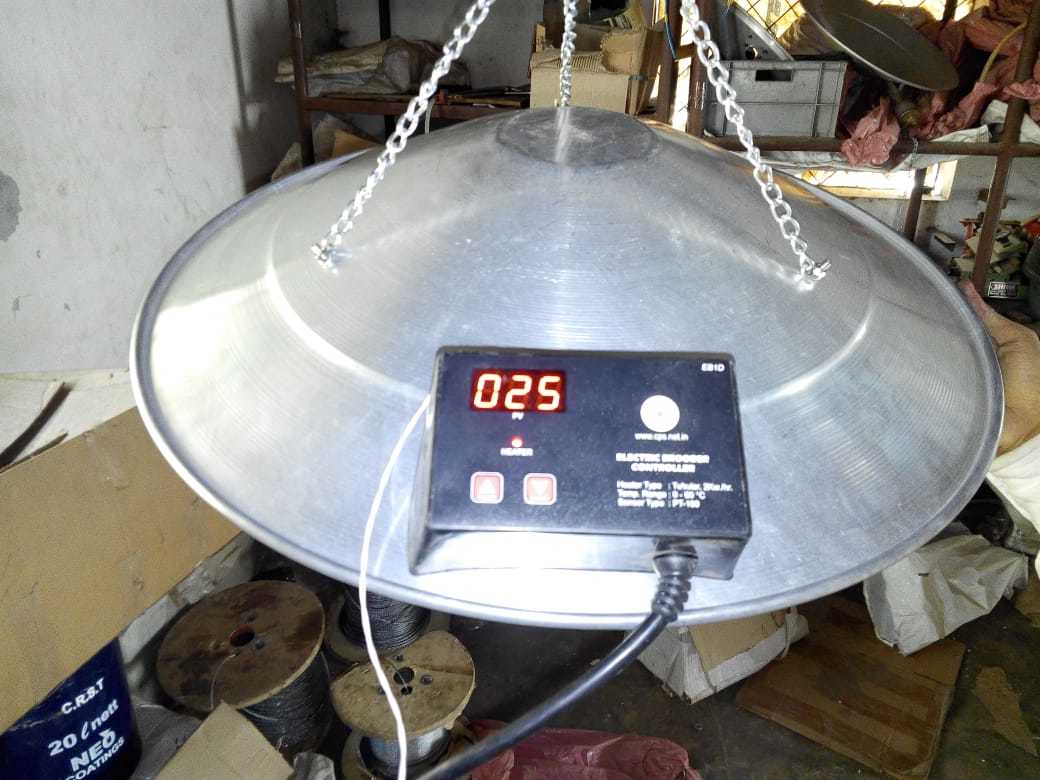
Thermostat Sensor Type Stem Type Liquid Filled
Hot Air Circulation Fan Yes with Push ONOFF Switch
Calorific Value Min 860 KCalHr Max 1720 KCalHr
Brooding Capacity 1000 Commercial Birds
Brooding Area Coverage200 SqFt 3 Height
Weight 25 Kgs
Dimension 600mm Dia Canopy 125mm Height
Suggestive Placement 3 Ft From the ground level
Brooders Gap Required 12 Ft
Temp Accuracy 100150C
Temperature Range 300320C 200 SqFt Area
Efficient Heating for Poultry Brooding
The Electric Brooder-Standard employs an advanced electric heating mechanism that delivers stable and uniform warmth, crucial for the growth and survival of chicks. Its steel construction ensures longevity, while its lightweight design facilitates easy installation and mobility within brooding areas. Ideal for farms and hatcheries, this brooder seamlessly integrates with existing feeding systems.
Comprehensive Availability Across India
Sourced from numerous dealers, suppliers, and wholesalers, the Electric Brooder-Standard is widely accessible throughout India. Whether you are a producer looking for bulk orders or a retailer purchasing for your shop, the distribution network supports prompt delivery and after-sales support for all your poultry brooding requirements.
FAQs of Electric Brooder-Standard:
Q: How does the Electric Brooder-Standard work in a brooding system?
A: The Electric Brooder-Standard operates by supplying controlled heat to maintain a consistent, optimal temperature necessary for young chicks development. Its electric heating element is designed to integrate seamlessly with typical brooding systems, providing a safe and regulated environment for poultry growth.Q: What are the benefits of using a steel electric brooder?
A: A steel electric brooder, such as this model, offers enhanced durability, rust resistance, and improved heat distribution. The steel material also ensures the device withstands frequent cleaning and long-term use, making it a reliable choice for various poultry operations.Q: When should an electric brooder be used for chicks?
A: An electric brooder is typically used from the moment chicks hatch until they develop enough feathers to regulate their own body temperature, which generally takes several weeks. Proper use during this early stage significantly enhances survival rates and growth.Q: Where can I purchase the Electric Brooder-Standard in India?
A: You can obtain the Electric Brooder-Standard through a wide network of dealers, distributors, fabricators, exporters, manufacturers, retailers, suppliers, traders, and wholesalers throughout India, ensuring that both individual and bulk needs are met efficiently.Q: What is the process for installing the Electric Brooder-Standard?
A: Installation involves placing the brooder securely within the brooding area, connecting it to an appropriate power source, and adjusting it for uniform heat distribution. Its moderate weight and compact design allow for easy setup and repositioning as required.Q: How is the Electric Brooder-Standard maintained for optimal usage?
A: Routine maintenance includes regular cleaning to prevent buildup of debris and periodic checks of the electric components to ensure safe, efficient functioning. The steel construction allows for hassle-free cleaning and resistance to wear.Q: What advantages does the Electric Brooder-Standard offer over traditional brooding methods?
A: The Electric Brooder-Standard delivers precise temperature control, reduces mortality rates, and minimizes manual labor associated with traditional brooding techniques. Its efficiency and consistency make it a valuable asset for both small-scale and commercial poultry keepers.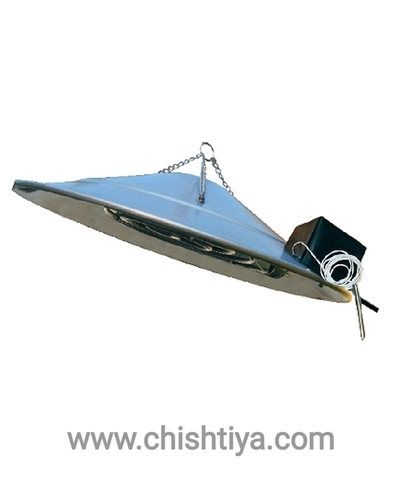
Tell us about your requirement

Price:
Quantity
Select Unit
- 50
- 100
- 200
- 250
- 500
- 1000+
Additional detail
Mobile number
Email

More Products in Brooding Equipments Category
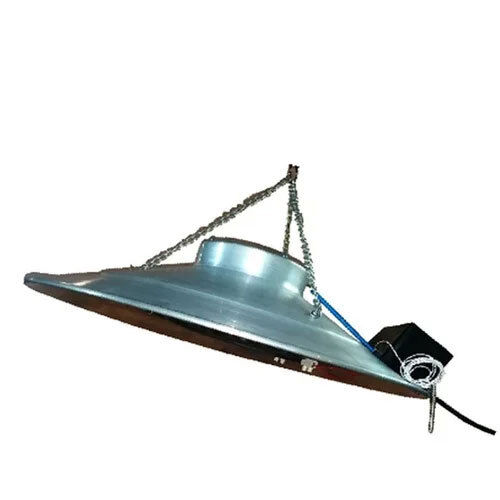
Electric Brooder, Chishmo 1000 -DLX
Price 3150 INR / Piece
Minimum Order Quantity : 10 Pieces
Color : Gray
Technology : Automatic
Type : Other
Size : DLX
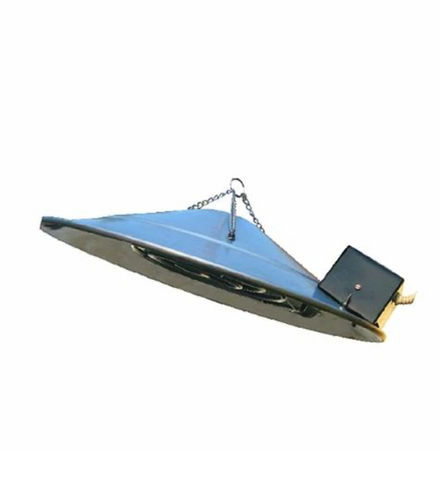
Chishmo 1000 Electric Brooder CLS
Price 2555 INR / Unit
Minimum Order Quantity : 1 Unit
Color : Gray
Technology : Manual
Type : Other, Electric Brooder
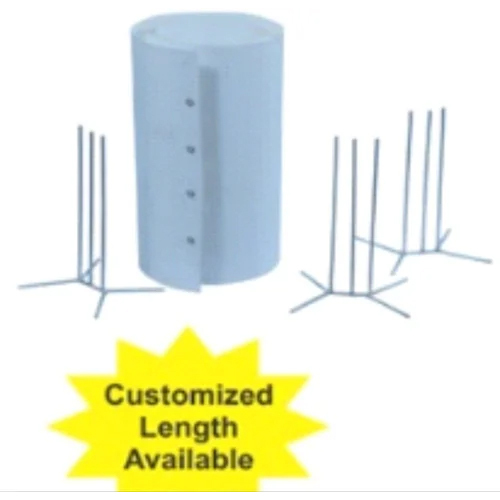
Chick Guard with 3 MS Stand 15
Price 450 INR / Piece
Minimum Order Quantity : 100 Pieces
Color : Gray
Technology : SemiAutomatic
Type : Other, Chick Guard
Size : 15 feet,30 feet
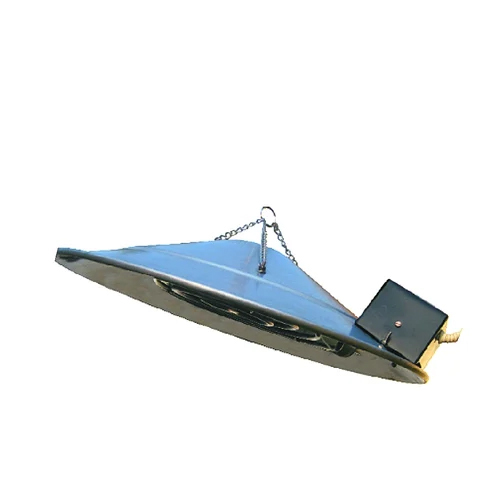
Electric Brooder Chishmo 1000 Basic
Price 1500 INR / Piece
Minimum Order Quantity : 100 Pieces
Color : Gray
Technology : SemiAutomatic
Type : Other, Electric Brooder

CHISHTIYA POULTRY SERVICES PRIVATE LIMITED
GST : 24AAJCC4668C1ZR
GST : 24AAJCC4668C1ZR

- 332, GIDC, Por Ramangamdi, Vadodara - 391243, Gujarat, India
- Phone : 08071930310

- Mr Arif Ali (CEO)
- Mobile : 08071930310
- info@chishtiya.com
 Send Inquiry
 Send SMS
CHISHTIYA POULTRY SERVICES PRIVATE LIMITED
All Rights Reserved.(Terms of Use)
Developed and Managed by Infocom Network Private Limited.
Developed and Managed by Infocom Network Private Limited.

